

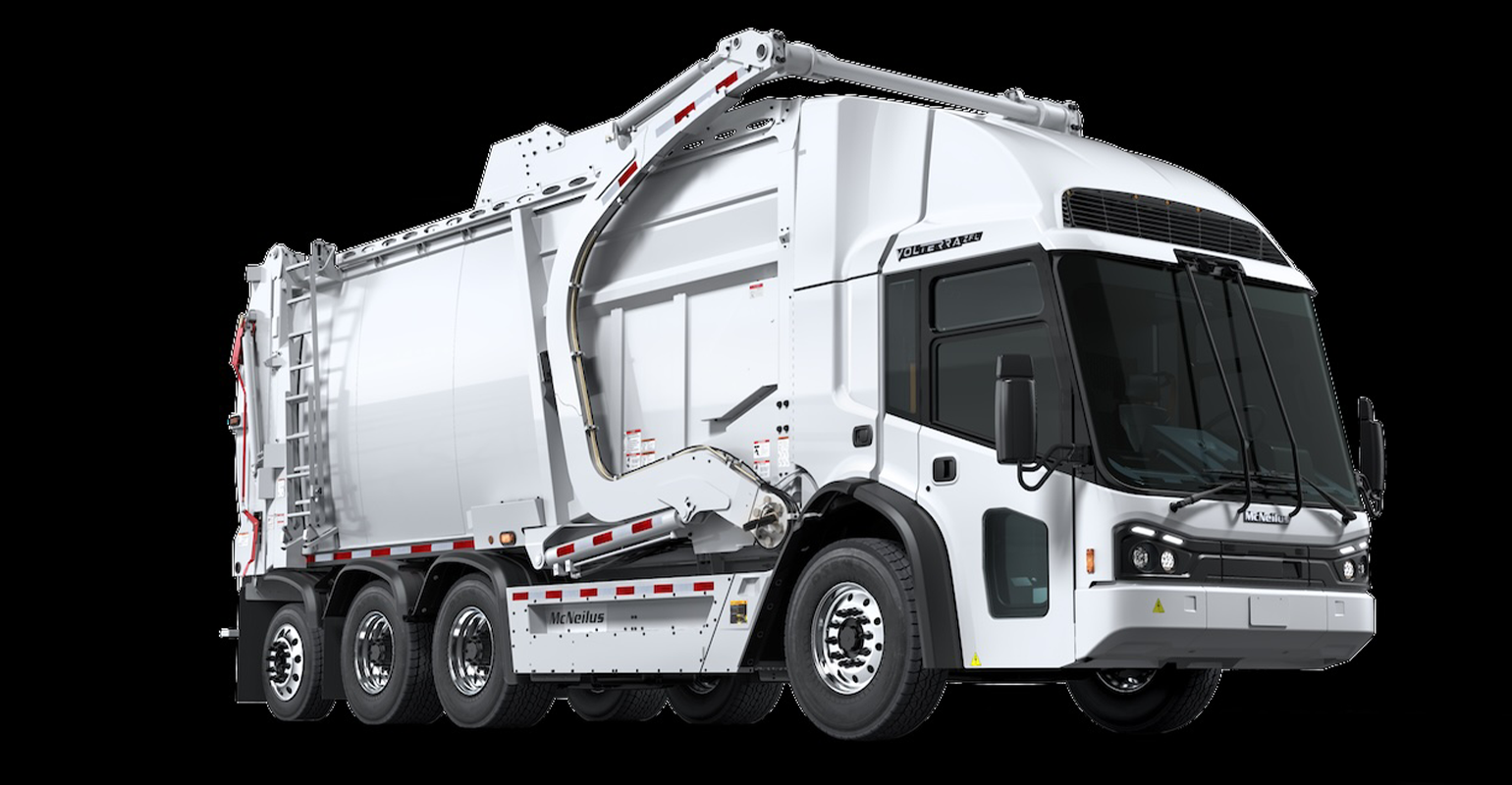
As cities around the world evolve into smart, connected ecosystems, waste management has become a critical component of urban planning. Smart cities rely on efficient infrastructure, data-driven systems, and sustainable solutions to improve the quality of life for residents. In this transformation, McNeilus trucks play a vital role by offering advanced technologies and reliable performance that align with the goals of modern urban development.
This article explores how McNeilus trucks contribute to smart city initiatives and how Atlantic Heavy Duty supports businesses and municipalities in adopting these forward-thinking solutions.
Supporting Efficient Urban Waste Collection
One of the primary challenges in smart cities is managing increasing volumes of waste without disrupting daily life. McNeilus trucks are designed to handle high-demand urban environments with efficiency and precision.
Their automated collection systems allow for faster pickups, reducing the time trucks spend on busy streets. This not only improves traffic flow but also ensures timely waste removal, which is essential for maintaining clean and livable cities. With guidance from Atlantic Heavy Duty, municipalities can deploy McNeilus trucks that are optimized for urban efficiency.
Integration with Smart Technologies
Smart cities depend heavily on data and connectivity, and McNeilus trucks are built to integrate seamlessly with these systems. Equipped with compatibility for fleet management software and tracking technologies, these trucks enable real-time monitoring of routes, fuel usage, and operational performance.
This integration allows city managers to make informed decisions, optimize collection schedules, and reduce unnecessary trips. The result is a more efficient and responsive waste management system. Atlantic Heavy Duty helps clients implement these smart integrations, ensuring they get the most out of their McNeilus trucks.
Enhancing Sustainability and Environmental Goals
Sustainability is a core principle of smart city development. McNeilus trucks contribute to these goals by incorporating fuel-efficient engines and reduced-emission technologies that minimize environmental impact.
By improving compaction efficiency, these trucks reduce the number of trips required for waste disposal, which lowers fuel consumption and greenhouse gas emissions. This aligns with the environmental objectives of modern cities striving to become greener and more sustainable. Atlantic Heavy Duty supports this mission by providing eco-friendly McNeilus trucks tailored to urban needs.
Improving Safety in Urban Environments
Safety is a top priority in densely populated areas, and McNeilus trucks are equipped with advanced features that enhance both operator and public safety. Enhanced visibility systems, cameras, and sensors help drivers navigate crowded streets with greater confidence.
These features reduce the risk of accidents and improve overall operational safety. In smart cities where pedestrian and vehicle traffic is high, such innovations are essential. Atlantic Heavy Duty ensures that clients have access to McNeilus trucks equipped with the latest safety technologies.
Enabling Data-Driven Decision Making
Data is at the heart of smart city operations, and McNeilus trucks provide valuable insights through their integration with digital systems. By collecting and analyzing operational data, cities can identify inefficiencies and implement improvements.
This data-driven approach allows for better route planning, reduced operational costs, and improved service delivery. Over time, it leads to a more efficient and sustainable waste management system. With the expertise of Atlantic Heavy Duty, organizations can effectively utilize data from McNeilus trucks to enhance their operations.
Reducing Operational Costs for Municipalities
Budget efficiency is a key concern for city administrations. McNeilus trucks help reduce operational costs through their durability, fuel efficiency, and advanced compaction systems.
Fewer breakdowns, lower maintenance requirements, and optimized fuel usage all contribute to cost savings. These financial benefits make McNeilus trucks an attractive option for municipalities looking to invest in long-term solutions. Atlantic Heavy Duty assists in selecting cost-effective models that meet the specific needs of smart city projects.
Adapting to Future Urban Challenges
Smart cities are constantly evolving, and the equipment used within them must be adaptable to future challenges. McNeilus trucks are designed with flexibility and innovation in mind, allowing them to keep up with changing technologies and urban requirements.
Whether it’s integrating new digital systems or adapting to stricter environmental regulations, these trucks are built to remain relevant in the years ahead. Atlantic Heavy Duty ensures that clients are equipped with future-ready McNeilus trucks that can support long-term urban development goals.
Strengthening Infrastructure for Smart Cities
Reliable waste management infrastructure is essential for the success of any smart city. McNeilus trucks provide the performance and dependability needed to support this infrastructure, ensuring that waste collection systems operate smoothly and efficiently.
By combining advanced technology with durable construction, these trucks help cities maintain high standards of cleanliness and public health. Atlantic Heavy Duty plays a crucial role in delivering these reliable solutions to municipalities and private operators.
Final Thoughts
McNeilus trucks are an integral part of smart city development, offering innovative solutions that enhance efficiency, sustainability, and safety in urban waste management. Their ability to integrate with modern technologies and adapt to evolving challenges makes them a valuable asset for forward-thinking cities.
With the trusted support of Atlantic Heavy Duty, businesses and municipalities can fully leverage the capabilities of McNeilus trucks to build cleaner, smarter, and more sustainable urban environments for the future.
Comments are closed, but trackbacks and pingbacks are open.