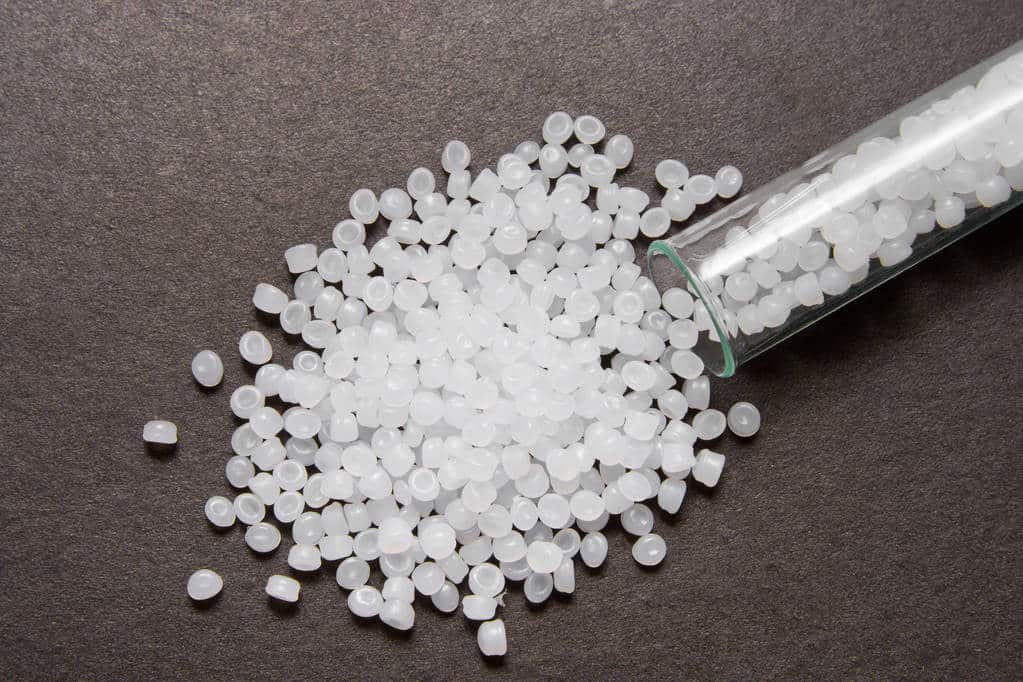
High-Density Polyethylene (HDPE) is a widely utilized thermoplastic polymer known for its strength, chemical resistance, and versatility. It is commonly used in applications ranging from packaging and piping to industrial containers and household products. With the increasing focus on sustainability and responsible resource management, HDPE Recycling has emerged as a critical practice, supplying durable recycled resin that supports strong product performance while reducing environmental impact.
Importance of HDPE Recycling
Recycling HDPE provides both environmental and economic advantages. Post-consumer and post-industrial HDPE waste, if not managed properly, contributes to landfill accumulation and environmental pollution. Through recycling, this material is recovered and transformed into high-quality resin suitable for new applications. Using recycled HDPE reduces dependence on virgin polymers, conserves natural resources, and lowers energy consumption and carbon emissions associated with producing new HDPE. This approach aligns with circular economy principles, ensuring materials are reused efficiently and sustainably.
Process of HDPE Recycling
The recycling of HDPE involves several carefully managed steps to ensure high-quality output. Initially, HDPE waste is collected from industrial, commercial, and consumer sources. The material is then sorted to separate it from other plastics, contaminants, and non-recyclable items. Following sorting, the HDPE undergoes cleaning to remove residues, labels, and adhesives. The cleaned material is shredded into flakes or pellets, which are then processed through extrusion or re-pelletizing techniques. Advanced recycling methods ensure that the recycled resin retains mechanical properties, chemical resistance, and durability comparable to virgin HDPE, making it suitable for demanding applications.
Applications of Recycled HDPE
Recycled HDPE has a broad range of applications due to its strength, durability, and chemical resistance. In the packaging sector, it is used for bottles, containers, and caps, providing reliable protection for food, beverages, and household products. Industrial applications include drums, storage tanks, and piping systems, where durability and resistance to chemicals and impact are essential. Recycled HDPE is also employed in construction materials, such as plastic lumber, panels, and drainage systems, benefiting from its long-term performance and structural integrity. Even consumer goods like toys, crates, and bins utilize recycled HDPE, combining sustainability with product reliability.
Quality Assurance and Reliability
Maintaining the quality of recycled HDPE is crucial to ensuring strong product performance. Recycled resin is tested for density, melt flow index, tensile strength, impact resistance, and contamination levels. High-quality HDPE recycling ensures consistency and reliability, allowing manufacturers to integrate recycled resin into production without compromising performance. Quality assurance measures and adherence to industry standards guarantee that recycled HDPE meets technical and safety requirements, supporting efficient manufacturing and high-quality end products.
Economic and Environmental Benefits
Using recycled HDPE delivers both financial and ecological advantages. Economically, it reduces raw material costs and supports cost-effective production, while lightweight properties reduce transportation and handling expenses. Environmentally, HDPE recycling conserves resources, lowers energy consumption, and reduces landfill waste. The circular use of HDPE ensures that materials are continually reintegrated into production cycles, minimizing environmental impact and supporting sustainable manufacturing practices.
Challenges and Opportunities
Challenges in HDPE recycling include contamination, variability in material properties, and inconsistent supply. Advances in sorting, cleaning, and processing technologies are helping overcome these obstacles, producing high-quality recycled resin that meets industrial needs. The increasing demand for sustainable materials, regulatory support, and corporate sustainability initiatives create opportunities for broader adoption of recycled HDPE in manufacturing, packaging, and construction sectors.
Conclusion
HDPE recycling supplies durable recycled resin that enables strong product performance across a variety of industrial, packaging, and consumer applications. By recovering and reprocessing HDPE waste, businesses can reduce reliance on virgin materials, minimize environmental impact, and achieve cost-effective manufacturing solutions. High-quality recycled HDPE ensures consistency, reliability, and durability, supporting both operational efficiency and sustainable practices. Integrating recycled HDPE into production systems represents a strategic approach to combining performance, environmental responsibility, and economic value in modern manufacturing.