

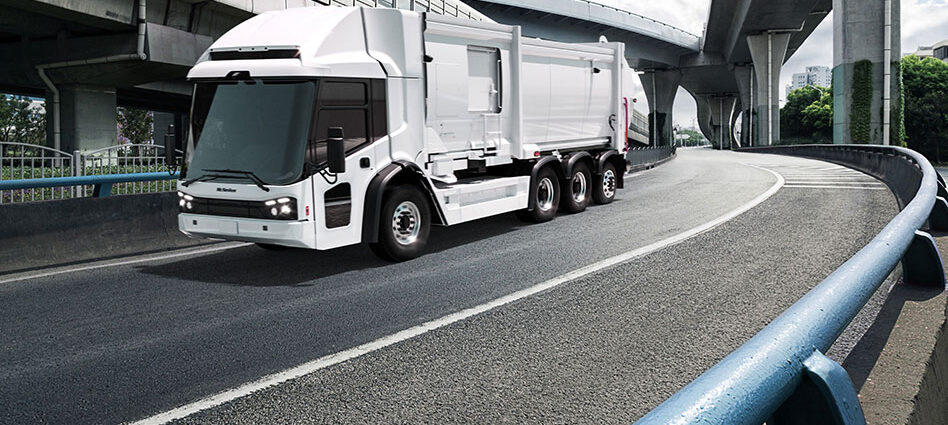
Expanding a commercial waste collection fleet is a major investment that requires careful planning. As a waste management business gains customers, enters new service areas, or takes on larger contracts, additional collection vehicles may become necessary. However, purchasing trucks simply to increase fleet size does not automatically improve operations. Businesses must consider capacity, route requirements, operating costs, maintenance, driver needs, and long-term growth before making a purchase.
A well-planned fleet expansion can increase collection efficiency, improve customer service, and create opportunities for additional revenue. On the other hand, choosing unsuitable vehicles can increase fuel consumption, maintenance expenses, downtime, and operational complexity. Understanding the most important considerations can help commercial waste companies make better purchasing decisions.
Evaluate Current Fleet Performance
Before adding vehicles, businesses should examine how their existing fleet is performing. Fleet expansion should be based on actual operational needs rather than assumptions.
Important metrics include:
- Number of daily collection routes
- Average truck utilization
- Collection volume per route
- Vehicle downtime
- Maintenance frequency
- Fuel consumption
- Driver productivity
- Missed or delayed collections
- Average distance traveled per route
If existing trucks are consistently operating near capacity or routes are taking longer than expected, expansion may be justified. However, if vehicles are frequently underutilized, improving scheduling or route planning may be more cost-effective than purchasing additional trucks.
Determine the Right Fleet Mix
Not every waste collection route requires the same type of truck. Commercial waste operations may serve office buildings, retail properties, industrial facilities, construction sites, restaurants, apartment communities, and other businesses. Each environment can create different collection requirements.
When expanding a fleet, companies should determine whether they need rear loaders, front loaders, side loaders, roll-off equipment, or specialized vehicles. A diversified fleet can provide flexibility when serving customers with different waste volumes and container configurations.
For businesses considering McNeilus garbage trucks for sale, evaluating the type of collection work the truck will perform is essential. The goal should be to select equipment that matches actual service requirements rather than simply choosing the largest available vehicle.
Plan Around Future Customer Growth
Fleet expansion should account for more than today’s workload. Businesses should consider where they expect their operations to be in the next several years.
A company that expects to win larger commercial contracts may need additional capacity sooner than current collection volumes suggest. Similarly, entering a new geographic market could create longer routes and require vehicles capable of handling increased mileage and payload demands.
Planning ahead can prevent businesses from repeatedly making small equipment purchases whenever demand increases. A scalable fleet strategy can make future growth easier to manage.
Consider Capital and Financing Costs
Garbage trucks represent significant capital investments, so businesses need to evaluate their purchasing budget carefully. The purchase price is only one part of the financial equation.
Companies should also account for:
- Financing costs
- Insurance
- Registration
- Fuel
- Preventive maintenance
- Repairs
- Tires
- Driver labor
- Replacement parts
- Depreciation
- Resale value
Comparing the total cost of ownership can provide a more realistic picture of affordability. A truck with a higher initial price may ultimately be more economical if it delivers better productivity, reliability, and operating efficiency.
Decide Between New and Used Equipment
Fleet expansion does not always require purchasing brand-new trucks. Depending on the company’s budget and operational needs, used equipment can provide another option.
New trucks may offer the latest technology, improved efficiency, updated safety features, and manufacturer warranties. Used trucks, meanwhile, can have lower acquisition costs and may be suitable for businesses looking to expand gradually.
The condition and maintenance history of used equipment should be evaluated carefully. Businesses should inspect major components and consider potential repair costs before completing a purchase. Working with an experienced commercial truck supplier can make the evaluation process easier.
Account for Payload and Weight Requirements
Capacity is another critical consideration when expanding a waste collection fleet. A truck needs to handle the expected waste volume without regularly exceeding legal weight limits.
Different waste materials have different densities. A truck collecting lightweight commercial waste may have different payload requirements from one handling heavier industrial materials.
Businesses should analyze typical loads and route conditions before selecting equipment. Choosing a vehicle with appropriate capacity can help reduce unnecessary trips while maintaining compliance with weight restrictions.
Consider Route Characteristics
A fleet expansion strategy should reflect the routes vehicles will actually operate on. Urban commercial routes may involve frequent stops, narrow streets, traffic congestion, and limited maneuvering space. Industrial routes may involve longer distances and heavier loads.
Route characteristics can influence the ideal truck configuration, body size, fuel requirements, and maneuverability.
Before purchasing, fleet managers should consider:
- Average route distance
- Number of daily stops
- Traffic conditions
- Road quality
- Container sizes
- Collection frequency
- Terrain
- Loading locations
Matching trucks to routes can improve productivity and prevent equipment from being poorly suited to the environments where it operates.
Prepare for Maintenance and Downtime
Adding trucks also increases maintenance responsibilities. More vehicles mean more oil changes, inspections, tire replacements, repairs, and scheduled servicing.
Businesses should have a maintenance strategy in place before expanding the fleet. Preventive maintenance can help identify developing problems before they cause major breakdowns.
Parts availability is equally important. Delays in obtaining specialized components can keep a truck out of service for extended periods. Establishing a relationship with a reliable supplier can help reduce downtime and keep vehicles available for daily collection work.
Atlantic Heavy Duty can be part of a company’s equipment support strategy by providing access to commercial waste collection equipment and related solutions. Reliable support is particularly valuable when fleet size increases and keeping vehicles operational becomes even more important.
Build Backup Capacity
Fleet expansion should also consider contingency planning. A business that operates exactly the number of trucks required for its daily routes may struggle when one vehicle requires unexpected repairs.
Maintaining some backup capacity can help protect service reliability. Spare trucks can be especially valuable during peak demand periods, major contract launches, or unexpected equipment failures.
The appropriate level of backup capacity will depend on fleet size, route requirements, maintenance history, and the availability of rental or replacement equipment.
Invest in Driver Training
New trucks may have different controls, loading systems, safety features, and operating procedures than older equipment. Drivers should receive appropriate training whenever new vehicle configurations are introduced.
Proper training can help operators use equipment efficiently while reducing unnecessary wear and improving workplace safety. It can also help drivers understand inspection procedures and recognize potential mechanical problems early.
Driver feedback can be valuable during fleet expansion as well. Operators who work with trucks every day can identify practical issues that may not be obvious during the purchasing process.
Use Technology to Support Expansion
Modern fleet management technology can provide useful information for businesses managing larger numbers of vehicles. Telematics systems can monitor vehicle location, mileage, fuel consumption, engine performance, and other operational data.
This information can help fleet managers identify inefficient routes, excessive idling, unusual fuel consumption, or maintenance requirements. As a fleet grows, data becomes increasingly valuable because manually monitoring every vehicle becomes more difficult.
Technology can therefore help businesses make better decisions about future purchases and operational improvements.
Think About Standardization
When expanding a fleet, companies should consider whether adding similar truck models would simplify operations. Standardizing equipment where practical can make driver training, maintenance, parts management, and repairs easier.
However, complete standardization is not always ideal. Businesses serving a wide range of customers may benefit from maintaining several truck types. The right approach is to balance operational flexibility with the advantages of having common equipment across the fleet.
Review the Long-Term Business Case
Fleet expansion should ultimately support the company’s broader business objectives. Additional trucks should contribute to increased collection capacity, improved service, or new revenue opportunities.
Before purchasing, management should ask whether the additional vehicle will:
- Support new contracts
- Reduce route overload
- Improve service reliability
- Reduce collection time
- Increase daily capacity
- Replace aging equipment
- Support expansion into new markets
A clear business case can help prevent unnecessary purchases and ensure that capital is being directed toward equipment that supports sustainable growth.
Conclusion
Expanding a commercial waste collection fleet requires more than simply adding trucks to the yard. Businesses need to understand current fleet performance, anticipate future demand, select appropriate vehicle configurations, manage financial commitments, and prepare for maintenance and operational challenges.
From route requirements and payload capacity to driver training, backup equipment, technology, and long-term ownership costs, every factor can influence the success of a fleet expansion. Careful planning allows waste management companies to increase capacity without creating unnecessary expenses or operational complications.
By selecting equipment that matches current needs while providing room for future growth, businesses can build a more reliable and productive collection operation. Working with experienced suppliers such as Atlantic Heavy Duty can also help fleet managers evaluate available equipment and develop a practical strategy for expanding their commercial waste collection capabilities.

Comments are closed, but trackbacks and pingbacks are open.